
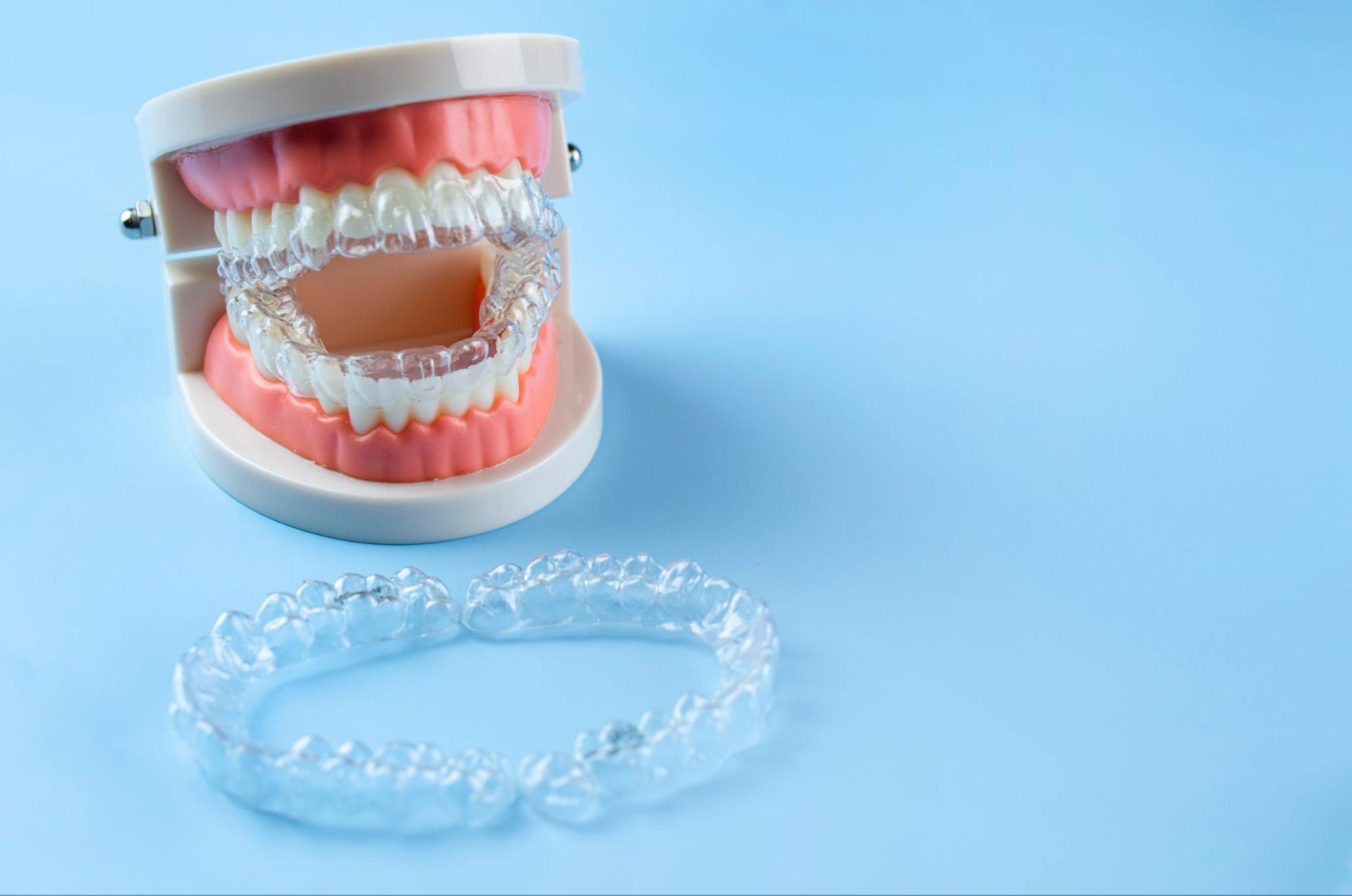
Clear aligner therapy is orthodontic treatment that moves teeth using a series of removable, transparent trays instead of brackets and wires. Each tray sits slightly out of position relative to where your teeth are right now, and worn in sequence they walk your teeth from where they are to where they should be.
What makes it work is not the plastic. It is the planning that happens before you ever open the first pack. At Align Orthodontics, that planning starts with a digital scan and ends with a map of every movement your teeth will make, in order. Here is how the whole system fits together.
Where Your Clear Aligner Therapy Begins
Before your first tray reaches your hands, the process starts with a digital scan. Instead of the tray of putty that used to be standard, a handheld wand passes over your teeth and builds a 3D model on screen in a few minutes. Nothing to gag on and nothing to sit still while it sets.
That model is the foundation for everything after it. Your orthodontist uses treatment planning software to decide which teeth move, in what order, and how far each one travels at each stage. Teeth do not all move at once and they do not all move at the same speed, so the sequence matters as much as the destination.
Here is what happens before your trays are made:
- A digital scan that captures each tooth from every angle
- A 3D model built from that scan
- A staged treatment plan mapping every movement in sequence
- A projected preview of your result, which you see before you commit to anything
- Custom trays manufactured to match each stage of the plan
If you are still deciding, our blog on whether you are a candidate for aligners is a good place to start before you book a scan.
How Each Tray Moves Your Teeth
Each aligner is manufactured slightly out of position relative to where your teeth currently sit. When you seat the tray, that mismatch creates gentle, continuous pressure, and over the following days the tooth follows the plastic. Movement per stage is small, often a fraction of a millimeter, which is why the trays come as a series rather than one appliance you wear for a year.
You wear each tray for roughly one to two weeks, and 20 to 22 hours a day. That number is not padding. Teeth begin drifting back within hours of the pressure coming off, so a tray that spends the evening in your bag is not moving anything.
Here is how clear aligners work in practice:
- Trays fit snugly, which is what creates the pressure in the first place
- Each set is worn one to two weeks before you switch to the next
- They come out to eat, to drink anything other than water, and to brush and floss
- Rinsing them whenever they come out keeps them clear and fresh
How Align Orthodontics Tracks Your Progress
Check-ins happen roughly every six to ten weeks and they are short, usually 15 to 20 minutes. Dr. Kunkel, Dr. Condict and Dr. Smith look at how your trays are seating and whether your teeth are tracking with the plan. Catching a tooth that has fallen behind at a check-in is a small correction. Catching it at the end is not.
Fit Reviews
The doctors examine how your current trays sit against your teeth. A snug fit means the trays are doing their job. Looseness or a visible gap at the biting edge means a tooth has not kept up, and that gets addressed before it compounds.
Progress Snapshots
Digital images and visual comparisons show how far things have moved since your last visit. These make it easy to see what has changed and what comes next, which matters in the middle of treatment when progress can feel invisible day to day.
New Tray Sets
As your teeth shift, you receive the next block of trays in your sequence. Each set follows the plan built from your original scan, so movement stays steady and in the order it was designed.
Helpful Tweaks
If refinements are needed, the team can adjust attachments, change your tray schedule, or add elastics to keep everything moving at the right pace.
Attachments, Elastics and Refinements
Not every movement can be made by smooth plastic pressing on a smooth tooth. Rotating a round tooth like a canine, or bringing down a tooth that sits high in the gum, needs something for the tray to grip.
Attachments handle that. They are small tooth-colored bumps bonded to specific teeth, shaped so the tray can push against them in a direction it otherwise could not. They come off at the end of treatment, they are the same shade as your enamel, and most people stop noticing them within a week.
Elastics do something similar for bite correction. Small rubber bands hook between the upper and lower trays and shift the way your jaws meet, which is a movement trays alone cannot produce.
Refinements are the third piece and the one patients rarely hear about in advance. Teeth do not always follow the plan exactly. When a few fall behind, a new scan produces a short second series of trays to finish the job. This is normal rather than a sign that something went wrong, and planning for the possibility is part of how clear aligner therapy is designed to work.
What Happens After Your Last Tray
Reaching your final tray marks the shift from active treatment to long-term maintenance. Once your teeth have settled into their new positions, the team walks you through the steps that keep them there. Dr. Kunkel, Dr. Condict and Dr. Smith confirm your results look and feel right before moving you into retention.
Here is what typically follows the final tray:
- A retainer fitting so your teeth hold their new positions
- Clear guidance on wear, usually nightly, and how to build the habit
- Simple cleaning instructions for the retainer and for your teeth
- Follow-up visits that confirm everything is staying stable
Teeth keep drifting for the rest of your life. The retainer is what protects the months you spent getting here.
How Clear Aligner Therapy Fits Into Everyday Life
Most patients adapt to aligners faster than they expect. The trays are thin, they are shaped to your teeth, and in conversation they mostly go unnoticed. If you are weighing this against fixed appliances, our comparison of clear aligners and metal braces lays out the trade-offs side by side.
Here is what makes the daily experience feel manageable:
- Trays come out for meals, so no foods are off the table
- Brushing and flossing stay normal since nothing is bonded across your teeth
- Speech adjusts quickly, usually within a day or two of a new set
- The slim profile works for sports, instruments and public speaking
Common Questions About Clear Aligner Therapy
What is clear aligner therapy?
It is orthodontic treatment that straightens teeth using a sequence of removable, custom-made transparent trays. Each tray applies pressure to move specific teeth a small amount, and worn in order over several months they produce the same kinds of corrections braces do for most mild to moderate cases.
Does clear aligner therapy hurt?
Expect pressure rather than pain, and mostly in the first day or two of a new tray. That soreness is the feeling of teeth under load, and it fades as they settle into the new position. If a tray has a sharp edge that irritates your cheek or tongue, call us and we will smooth it rather than having you tough it out.
What happens if my teeth stop tracking with the plan?
We rescan and produce a refinement series, which is a short additional run of trays that closes the gap between where your teeth are and where the plan expected them to be. It adds some time but it is a routine part of treatment, not a restart.
Will aligners affect my speech?
Slightly, and briefly. A mild lisp on s and sh sounds is common with a new set and usually clears within a day or two as your tongue adapts. Talking through it speeds that up more than staying quiet does.
Is this the same as mail-order aligner kits?
No. Mail-order kits skip the in-person exam, so nobody checks your gum health, root position or bite before your teeth start moving, and nobody catches it when something goes wrong partway through. With in-office therapy an orthodontist plans the movements and reviews them as they happen.
Ready to Get Started?
Clear aligner therapy works quietly, and it works best when someone is watching it happen. Dr. Kunkel, Dr. Condict and Dr. Smith see aligner patients for clear aligners in Noblesville and at our Tipton office. If you have been thinking it over, book your free consultation and we will scan your teeth and give you a straight answer about whether this is the right approach for your case.